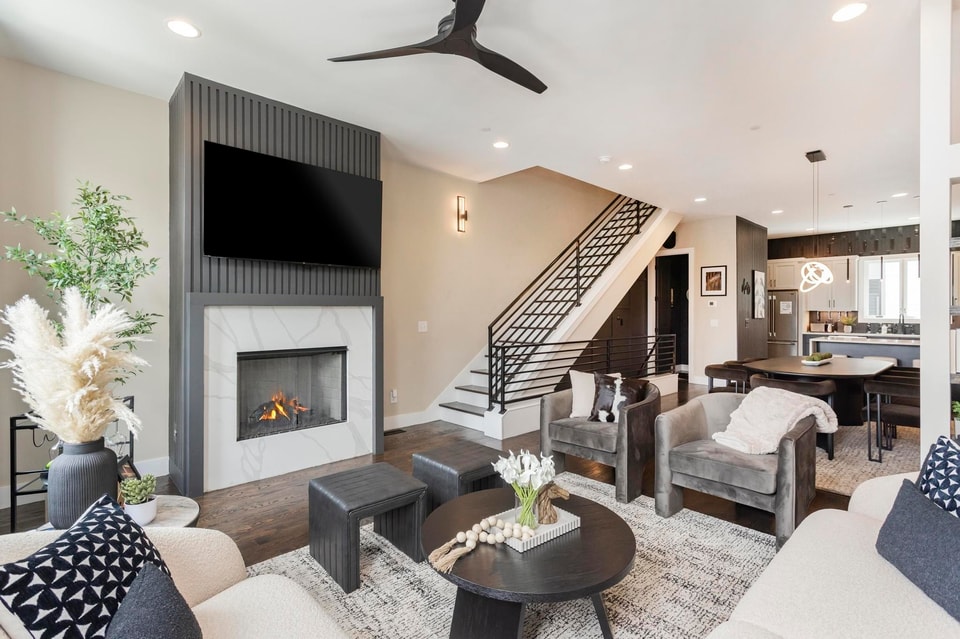
Buy a Nashville STR. Understand the business you’re buying.
Jack Costigan helps investors evaluate the property, the operating numbers and the ownership plan before committing capital. From the first screening to the closing handoff, the advice is built around what the investment needs to do for you.
Jack CostiganThe Costigan Group at Compass Founder & lead, Compass Short-Term Rental Division
LOCAL KNOWLEDGE. DISCIPLINED ACQUISITIONS.
A PRACTICE BUILT FOR STR INVESTORS
Your capital deserves a clear investment brief.
THE PROPERTY. THE OPERATION. YOUR PLAN.
A short-term rental is real estate with a hospitality operation attached. The purchase only makes sense when both work for the owner.
We begin with the cash you want to commit, your financing, your holding period and the level of operating involvement you want. We discuss how much income variability you can absorb, how the property fits your portfolio and what you expect from ownership beyond the first year.
That brief shapes the search. A rooftop townhome, an investment condo and a destination rental can have very different setup costs, guest profiles, management demands and exit options. Our job is to make those differences visible and focus your time on properties worth a closer look.
Jack’s advisory practice serves high-net-worth clients, experienced investors and first-time STR buyers. Clients buying from another state get a local point of coordination for property review, documentation, inspections and the professionals involved in the transaction.
STRICT UNDERWRITING, BEFORE THE OFFER
The asking price is one number. We work through the rest.
Underwriting means testing the income, expenses and capital required against the actual property. Every assumption needs a source, a date and a reason it belongs in your model.
01
Establish a supportable path to operate.
Review the exact parcel and unit, zoning, permit history, intended ownership and association documents. Identify what requires confirmation from Metro or counsel. Prior STR use, a listing description and a seller’s verbal assurance are starting points for questions.
02
Verify the income and build the comparison set.
For an operating rental, request trailing operating records and platform statements. Reconcile gross bookings with payouts, refunds, cleaning fees, owner stays and management deductions. Compare properties with similar location, layout, amenities and guest appeal. For a new launch, make the lack of operating history explicit.
03
Run the buyer’s expenses and financing.
Replace the seller’s assumptions with the costs you would actually pay. Price management, insurance, furnishing, maintenance and financing. Include a paid-management scenario even when you intend to self-manage, so the investment can be evaluated under both operating plans.
04
Stress the deal and define the decision.
Model base, conservative and downside cases using property-specific occupancy and nightly rates. Test slower bookings, rate pressure, an opening delay and unexpected repairs. Identify the cash reserve required and the price at which the investment meets your objectives—or advise you to keep looking.
Break-even occupancy
How many paid nights are needed to cover the modeled costs? Review the required occupancy at a realistic net nightly rate, including turnover costs and the quieter months.
Cash-on-cash return
Compare annual cash flow after operating expenses and debt service with the total cash invested, including closing, setup and reserve funding. State how capital replacements and reserves are treated.
Cap rate & financing
Use net operating income relative to price to compare the asset before financing. For a debt-service coverage ratio (DSCR) loan, confirm exactly how the lender measures income and debt obligations; its qualification calculation may differ from the operating model.
THE BEST POCKET IS PROPERTY-SPECIFIC
Know the neighborhood. Underwrite the block.
Nashville is a collection of smaller rental markets. We compare the guest experience, comparable supply and purchase price within each pocket, then verify the individual property. These are areas to investigate, not blanket statements of STR eligibility.
01
Downtown, SoBro & The Gulch
Evaluate access to entertainment, conventions and downtown demand against the acquisition price, association costs, parking and competing supply. A downtown address does not establish that the individual building or unit allows your intended rental use.
02
Germantown & the north-side corridors
Look closely at walkability, restaurants, access to events and the layout of competing townhomes. Compare individual blocks, street conditions and the guest arrival experience. The price premium needs support from comparable performance.
03
East Nashville & Cleveland Park
Study the guest draw of restaurants and neighborhood character alongside drive times, parking and the immediate surroundings. Eligibility can change from parcel to parcel; a nearby Airbnb is not a substitute for reviewing the specific property.
04
Wedgewood-Houston, The Nations & other emerging pockets
Examine the existing guest experience and competing rentals before assigning value to a development announcement. Construction, access, noise and new supply can affect the operating period long before a future amenity is complete.
At the property: walk the guest’s route, assess parking and arrival, inspect gathering spaces, compare bedroom-to-bathroom ratios, and account for noise, stairs and ongoing construction. Those details influence both operations and the competitive set.
BUILD THE ENTIRE COST PICTURE
What does it cost to keep the doors open?
We work through the operating budget line by line. Fees depend on the property, platform, manager and contract; current quotes and actual statements belong in the model.
Management & distribution
Model the actual management agreement: the fee base, services included, maintenance markups and cancellation terms. Add platform fees, payment processing, pricing software and channel-management costs. A quoted percentage rarely explains the entire bill.
Cleaning & guest turnover
Compare the cleaning fee collected with what each turnover costs. Include laundry, consumables, inspections, deep cleans and repairs between stays. A shorter average stay can increase turnover costs even when occupancy is unchanged.
Property & ownership
Use property-specific quotes for insurance, utilities, internet, association dues, taxes and service contracts. Review assessments and responsibility for shared areas. These costs continue when the calendar is empty.
Repairs & replacement
Budget for HVAC, appliances, plumbing, linens, furniture and outdoor amenities. Separate recurring maintenance from larger capital replacements so cash needed later does not disappear inside an attractive first-year projection.
Financing & professional costs
Review the loan payment, rate structure, lender fees, prepayment terms and reserve requirements. Include closing costs, inspections, entity documentation and professional advice in the total cash committed.
Furnishing, launch & reserves
Price the full opening plan: furniture, mattresses, kitchen inventory, locks, safety equipment, photography and setup. Add carrying costs during preparation and a cash reserve for a slower launch or a weak operating period.
Separate the tax conversation from the operating case.
Discuss lodging and sales tax handling, income taxes, depreciation and entity planning with your tax advisor. Identify what a platform remits and what remains the owner’s responsibility. A potential tax benefit should not conceal a weak operating result.
THE MARKET MOVES. THE MODEL SHOULD TOO.
What we watch before recommending a purchase.
We look for changes that affect this asset’s ability to compete and the owner’s ability to hold it. Market-wide averages provide context; property-level evidence drives the recommendation.
Booking pace & seasonality
Compare forward reservations, lead times, weekday demand and cancellations. Build a monthly operating plan that can absorb weaker stretches without relying on a few peak weekends.
Rates, occupancy & net revenue
Read nightly rates and occupancy together. A fuller calendar achieved through heavy discounting can produce less income. Compare like-for-like properties and distinguish booked revenue from actual payouts.
New supply & guest expectations
Watch competing openings, bedroom and bathroom configurations, design quality, amenities and review performance. Ask what makes this property a credible choice at the nightly rate in the model.
Regulation, financing & resale
Revisit the assumptions that support ownership: permit conditions, association rules, insurance costs, loan terms and the depth of the future buyer pool. An acquisition plan needs an exit beyond an optimistic refinance.
FROM SEARCH TO OWNERSHIP
An acquisition process with a plan for the handoff.
01
Define & screen
Build your investment brief, discuss financing and review the initial property, use and association constraints. Narrow the search around your criteria.
02
Evaluate & negotiate
Review records and comparable performance, develop the operating cases and connect the offer price and contract terms to the findings. Surface missing documents before the decision deadline.
03
Inspect & coordinate
Coordinate property inspections, lender requirements and the document review with the appropriate professionals. For an entity or MIPA transaction, bring counsel into the structure, liabilities and transfer questions early.
04
Prepare to own
Confirm furnishings and inventory, management arrangements, access, utilities and the intended launch timeline. Resolve how existing reservations, guest communications and platform accounts will be handled under the applicable agreements and rules.
The advice may be to pass.
Missing operating records, an unresolved permit path, restrictive association documents or returns that require perfect execution can change the recommendation. A disciplined search leaves room to negotiate, change the operating plan or walk away. The objective is an investment you understand and can support.
Can I buy an STR in Nashville without living there?
The acquisition needs to support your specific non-owner-occupied use. Jack’s process starts with the parcel, current Metro requirements, permit history and private restrictions. An existing rental operation does not by itself establish your ability to operate after a purchase.
Is an existing Airbnb easier to evaluate than a new launch?
An operating property can provide actual records, but those records still need review. A new launch relies more heavily on comparable properties, setup estimates and a realistic ramp-up period. In both cases, the buyer’s costs and operating plan can differ from the seller’s.
What if I plan to manage the property myself?
We discuss the workload, your availability and the systems needed for guest communication, pricing, cleaning and maintenance. We also model a paid management option so you understand the financial effect if your circumstances change.
Do you work with out-of-state and high-net-worth investors?
Yes. Jack advises clients purchasing their first Nashville STR, adding to an existing portfolio and deploying capital from outside Tennessee. The process connects local property review with the client’s lender, attorney, tax advisor and intended operator.
Do you advise on LLC purchases and MIPA opportunities?
Jack helps coordinate the real estate side of entity-based transactions, including membership interest purchase agreements. Counsel and the relevant professionals must assess the entity, liabilities, financing and regulatory implications. An entity structure is not an automatic solution to a permit restriction.
Rooftop rentals, investment condos and destination properties. A selection from Jack’s broader STR transaction history, with sale prices, property details and buyer or seller representation.
Selected past transactions, not current listings or a complete career sales record. Buyer and seller labels describe Jack’s representation. Historical STR use does not establish a future buyer’s permit eligibility.
YOUR NEXT STR DECISION
Bring the property. Bring the questions.
Considering an acquisition or preparing to sell? Start with the address, your timeline and what you want the investment to accomplish. Jack will help identify the work that comes next.